 English
  日本語
日本語  한국어
한국어  français
  Deutsch
  Español
  italiano
  русский
  português
  Türkçe
  العربية
What are you looking for?

Infrared laser and ultraviolet laser have been widely used in the field of micropores. The difference in processing mode between the two makes the UV laser make up for the limitations of infrared laser very well.
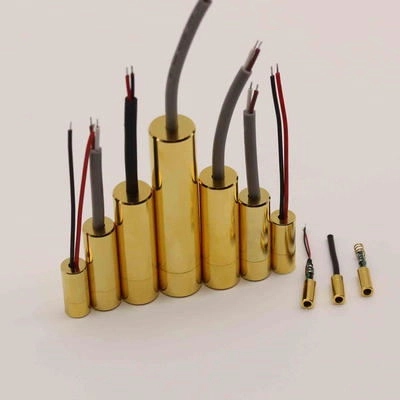 Infrared laser and ultraviolet laser have been widely used in the industry of micro-pores. There are two main ways of formation:
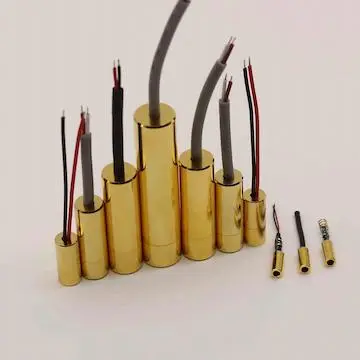
1, infrared laser: the material surface of the material to heat and make it vaporize (evaporation), to remove the material, this way is usually called thermal processing. YAG laser (wavelength 1.06 μm) is mainly used, often integrated into devices like infrared laser modules for precise industrial applications.
2, UV laser: high energy UV photons directly destroy the molecular bonds on the surface of many non-metallic materials, so that molecules from the object, this way will not produce high heat, so it is called cold processing, mainly using UV laser (wavelength of 355nm).
Infrared YAG laser (wavelength 1.06 μm) is the most widely used laser source in material processing. However, many plastics and a large number of specialized polymers, such as polyimides, which are used as the base material of flexible circuit boards cannot be refined by infrared or "hot" processing. Because the "heat" deforms the plastic and causes charred damage at the edges of the cutting or drilling, it may lead to structural weakening and parasitic conductive pathways, requiring some subsequent processing procedures to improve the quality of the process. Therefore, infrared lasers are not suitable for processing some flexible circuits. In addition, even at high energy density, the wavelength of the infrared laser is not absorbed by copper, which further severely limits its use.
However, the output wavelength of the UV laser is below 0.4μm, which is the main advantage of processing polymer materials. Unlike infrared processing, UV microprocessing is not heat treatment per se, and most materials absorb ultraviolet light more easily than infrared light. High energy ultraviolet photons directly break molecular bonds on the surfaces of many nonmetallic materials, resulting in smooth edges and minimal carbonization using this "cold" photoetching technique. Moreover, the characteristics of ultraviolet short wavelength itself have advantages for mechanical microprocessing of metals and polymers. It can be focused to points on the order of submicron, so it can be used for the processing of fine components, even at low pulse energy levels, with very high energy density, efficient processing of materials.
Laser Type | Wavelength Range | Processing Type | Key Advantages | Common Applications |
Infrared (IR) | 780 – 1060 nm | Thermal | Deep penetration, invisible beam, stable output | Alignment, night vision, cutting |
Ultraviolet (UV) | 355 – 405 nm | Cold | High precision, no heat damage | Micro-drilling, engraving, marking |
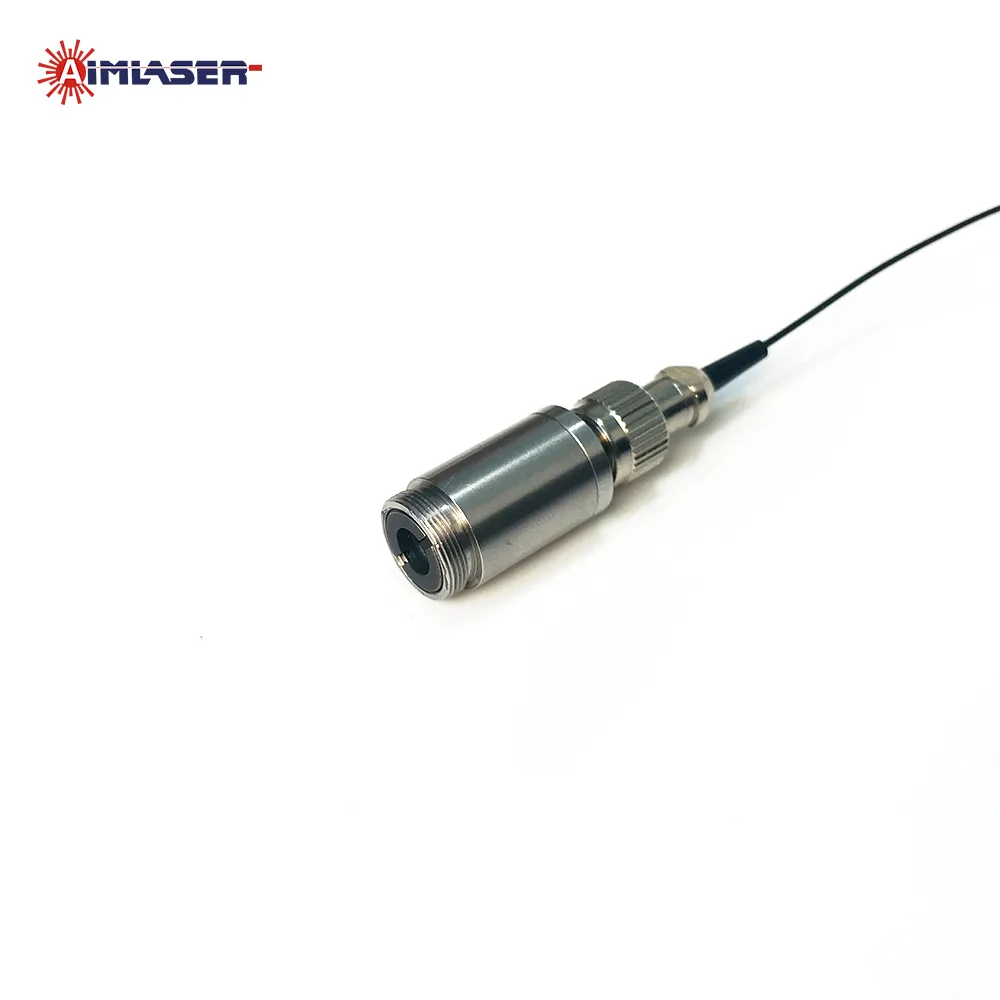
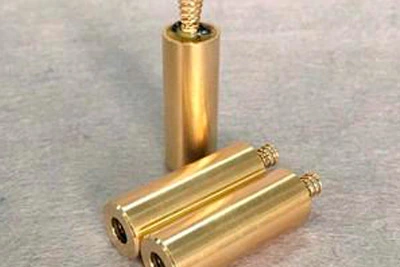
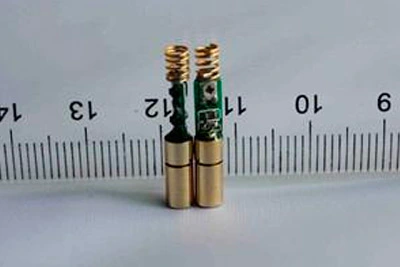
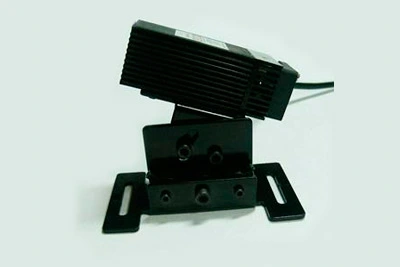
When your project requires non-visible beams, stable output, and long-distance performance, an infrared laser module is the ideal choice. For fine engraving and micro-scale processing, violet or UV laser modules offer unmatched precision.
Model | Wavelength | Output Power | Key Features | Typical Applications |
850 nm | 1 mW | Compact, stable beam for precise aiming | Targeting systems, optical calibration | |
808 nm | 50 mW | Invisible beam, high reliability | Night vision illumination | |
940 nm | 5 mW | High concealment, invisible to naked eye | Security, surveillance, sensing | |
780 nm | 10 mW | Strong stability, precise alignment | Industrial alignment, optical targeting | |
405 nm | 10 mW | Short wavelength, fine marking | Micro-engraving, laboratory use | |
405 nm | 3 mW | Compact, accurate dot projection | Alignment, optical testing |
Both infrared and ultraviolet lasers are indispensable in modern photonics and manufacturing. Their differences complement each other—infrared lasers excel in deep, stable, and invisible illumination, while ultraviolet lasers specialize in precise, heat-free processing.
If your application demands invisible infrared beams for alignment, night vision, or security, AIMINGLASERS provides high-performance, customized Infrared Laser Modules ranging from 780 nm to 940 nm.